 Professor Franklin
Chapter 16 · Reading 1 of 3
Mobile architecture and acquisition
CHFI domains 3, 4, 5, 6
Police seize the Lakeshore Courier driver’s iPhone under a warrant two hours after the collision on Bayview Road. It is locked, powered on and showing new notifications. The driver’s company-issued Android tablet, used for delivery scans, is collected from the van. What the academy can extract from each device depends on decisions made in the next few minutes, and on how each operating system protects its data.
Isolate, and keep the power on
A phone keeps communicating after seizure. New messages can overwrite old records, and a remote-wipe command can erase the device. The usual first step is network isolation: placing the phone in a Faraday bag or shielded enclosure that blocks radio signals, or enabling airplane mode if the phone is unlocked and policy allows interaction. A phone searching for a network drains its battery quickly, so the bag is paired with a power bank.
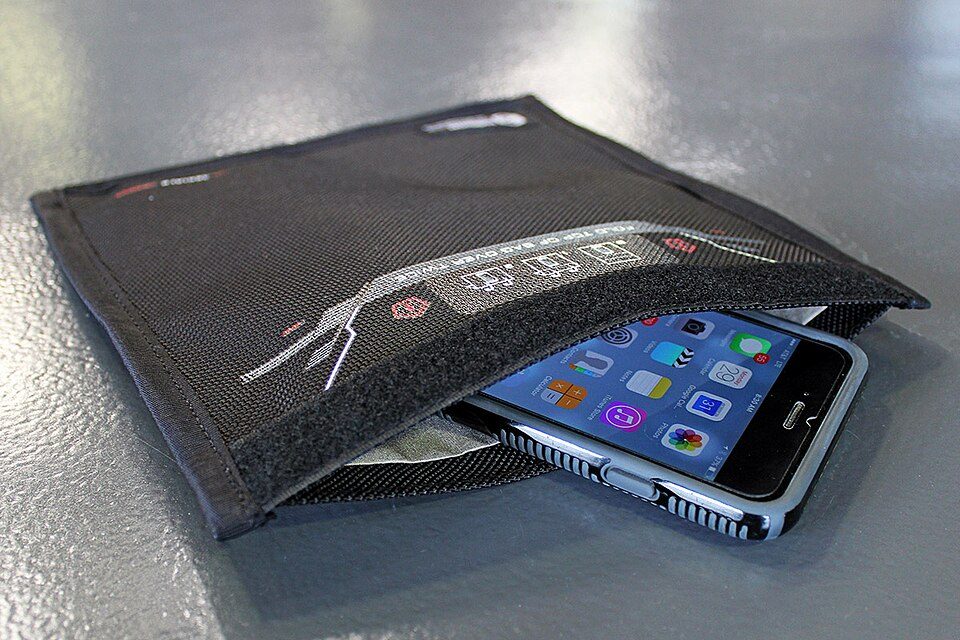

Keeping the phone powered matters because of encryption. Both Android and iOS encrypt user data with keys derived partly from the user’s passcode. After a restart, a phone is before first unlock (BFU): most user data stays encrypted until the passcode is entered. Once unlocked at least once, it is after first unlock (AFU): many keys remain in memory even when the screen is locked again, so far more data is accessible to acquisition tools. A phone that runs out of power, or is restarted, falls back to BFU. Recent iOS versions also restart a phone automatically after it has been locked for an extended period, which shortens the AFU window.
How Android and iOS store data
| Android | iOS | |
|---|---|---|
| Kernel and base | Linux kernel; many manufacturers and versions | XNU kernel; Apple hardware only |
| App data | /data/data/<package>/ (databases, shared_prefs) | /private/var/mobile/Containers/Data/Application/<UUID>/ |
| Encryption | File-based encryption with credential-encrypted and device-encrypted storage | Data Protection classes tied to the passcode and the Secure Enclave |
| Common time format | Unix time in milliseconds | Mac absolute time (seconds or nanoseconds since 2001) |
| Built-in backup | Google cloud backup; ADB backup deprecated | Finder or iTunes backup on a computer; iCloud backup |
Acquisition reaches different depths
- A logical acquisition collects data the operating system will hand over, often through the backup mechanism: contacts, messages, photos and some app data. It is the least invasive and the least complete.
- A full file-system acquisition collects all files, including app databases, system logs and caches that backups exclude. It usually requires an unlocked or AFU device and a tool that uses an exploit or agent to gain the needed access.
- A physical acquisition copies the raw flash storage. On modern phones with hardware-backed encryption, a physical image is generally unreadable without the keys, so it is now used mainly for older or unencrypted devices. Hardware methods such as JTAG and chip-off fall into the same category and are used mostly for damaged or older devices.
Commercial mobile suites perform these acquisitions with methods that vary by model, operating-system version and lock state. Each method and its tool version go in the acquisition log.
Rooting, jailbreaking and their consequences
Rooting an Android device or jailbreaking an iPhone gains administrative access beyond what the manufacturer permits. Some acquisition methods rely on temporary versions of these techniques. They change the device, so they must be justified, documented and tested on identical models first. A suspect’s phone that was already rooted or jailbroken is also a finding: it may run tools that hide apps or alter data, and its security protections are weaker, which affects how confidently its records can be attributed.
The SIM is separate from the phone
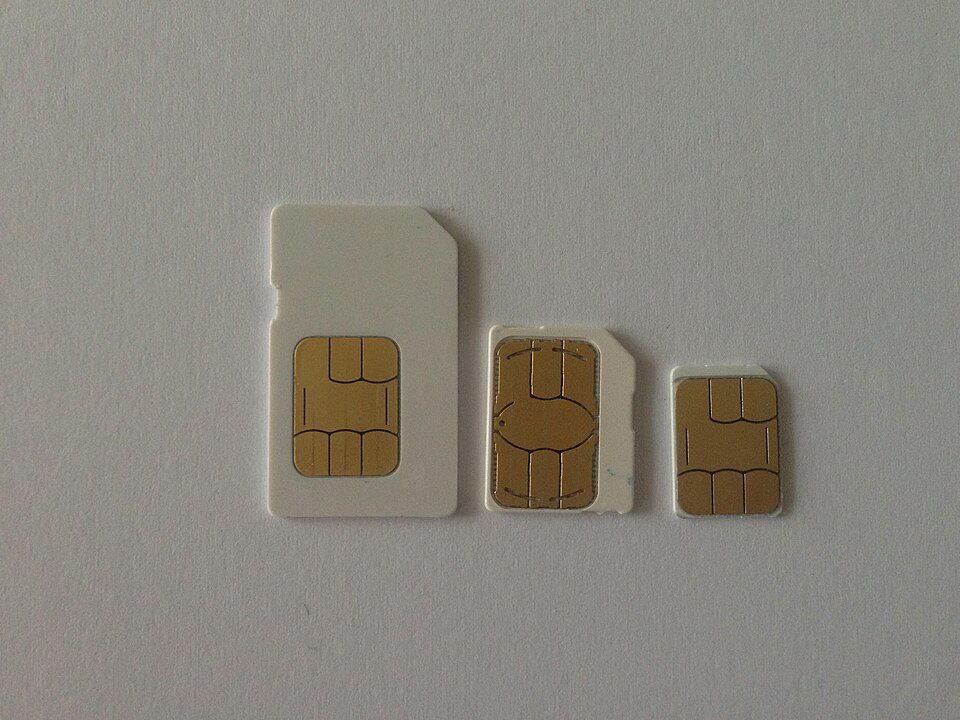
The SIM card identifies a subscription, not a handset. Its ICCID is the card’s serial number, printed on it, and its IMSI identifies the subscriber to the network. The handset has its own identifier, the IMEI. Carrier records are kept by IMSI and IMEI, so recording all three ties the seized phone to the carrier records in Reading 3. Many phones now use an eSIM, a programmable chip inside the device, which means there is no card to remove but the same identifiers apply.

On the exam, isolate the phone and keep it powered, AFU yields more than BFU, full file-system acquisition is the workhorse for modern phones, and the SIM identifies a subscription while the IMEI identifies the handset. The next reading, App databases and backups, opens the extraction.
Inspect the three records, then use the evidence to answer the question.
1. Logical
Backup-style copy of user data the OS exposes
2. Full file system
All files, including app databases outside backups
3. Physical
Bit-for-bit copy of flash storage; usually encrypted on modern phones
Apply the reading
The driver’s iPhone is seized locked and has been powered on since it was taken. Why does keeping it powered matter?
Compare your reasoning
A phone unlocked at least once since boot is in an after-first-unlock state, where many file keys remain available in memory. If it restarts, it returns to before-first-unlock, where most user data stays encrypted until the passcode is entered, so far less can be acquired.