 Professor Franklin
Chapter 3 · Reading 1 of 5
The Weakest Link
Security+ SY0-801 · Objectives 5.6
Picture the support desk during enrollment. A caller says they have lost their phone, cannot receive a sign-in prompt and need to submit an assignment before noon. They know the student’s ID number, birth date and advisor’s name. Helping quickly is part of the technician’s job. What should the technician check before resetting the account, and what should the college give the technician so that check is possible under pressure?
People are part of the control
Security writing often calls people “the weakest link.” The phrase hides something useful. People are targets because they hold access and make decisions, and they are also controls. The technician who refuses an unverified reset stops an attack that no firewall would see. A security program asks two questions. Where can a person be manipulated or make a mistake? And what does that person need in order to make the right decision on an ordinary busy day?
Human risk comes from two sources. Social engineering deliberately manipulates people into giving up information, access or money. The next reading covers its techniques. Human error needs no attacker. A staff member sends a spreadsheet to the wrong list, reuses a password or approves a change without reading it. Both are addressed by the same tools: clear procedures, safe defaults, practice and a reporting path that people actually use.
Physical presence is a vector too
Not every human attack arrives by message. Security+ lists several physical attacks that depend on people.
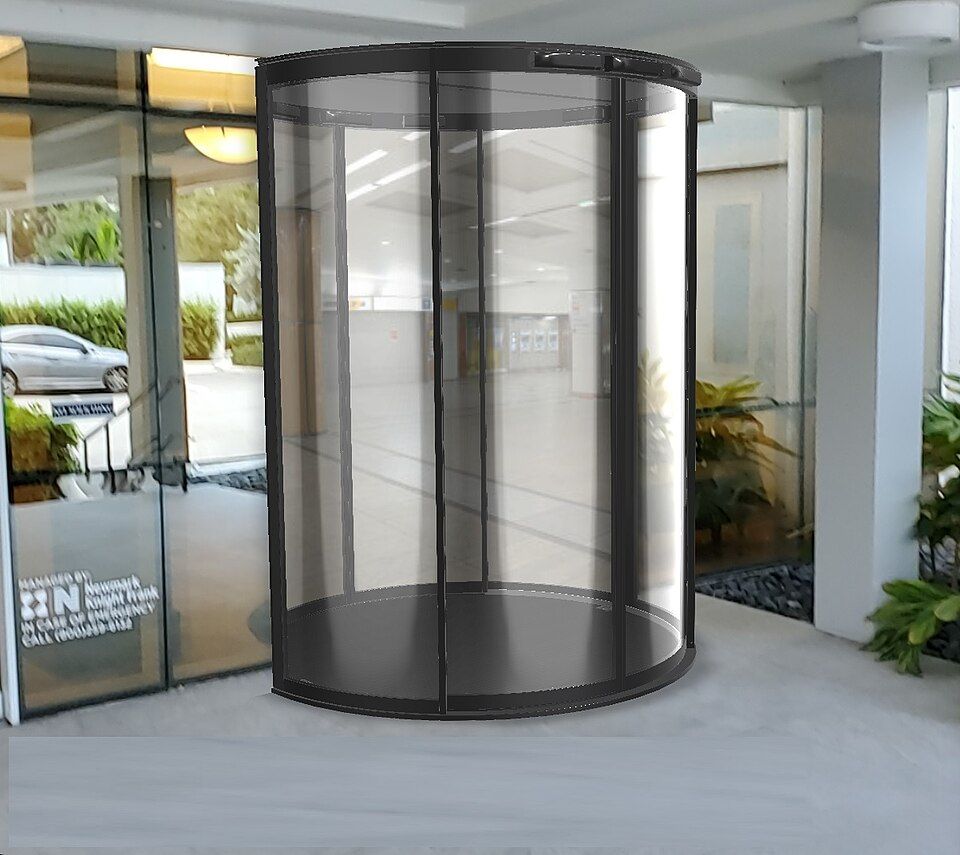
- Tailgating means following an authorized person through a controlled door without badging in. An access vestibule, two doors where the second opens only after the first closes, makes it harder.
- Shoulder surfing means watching someone type a password or read a screen. Privacy screens and awareness of surroundings in a busy financial aid lobby reduce it.
- Impersonation in person means posing as a contractor, inspector or new employee to gain entry or information.
- Skimming captures card data with a device attached to a payment terminal, such as a cafeteria card reader.

Case study: a help desk call in 2023
In September 2023, MGM Resorts suffered a cyberattack that disrupted hotel room keys, slot machines and reservation systems across its properties. Within days, news reports, including Bloomberg, described how the attackers got in. The attackers reportedly found an employee’s details online, then called the IT service desk while impersonating that employee to obtain account access. The group, tracked by researchers as Scattered Spider, then deployed ransomware. MGM later told investors the incident would reduce its quarterly earnings by about $100 million.
The technical damage began with a phone call. The attackers did not need to defeat multifactor authentication. They persuaded the people who could reset it. This kind of voice-based social engineering is called vishing.
- Research
Employee details found online - Vishing
Call to the IT service desk, posing as that employee - Access
Account access granted by the desk - Ransomware
Deployed across systems - Impact
Room keys, slots and reservations disrupted. About $100 million off quarterly earnings
Design recovery for the person answering the phone
A recovery channel can undo a strong sign-in policy when support staff must decide under pressure. Personal details such as a birth date or student ID are poor proof of identity, because they are often public or have been exposed in earlier breaches. A stronger procedure gives the technician three things.
- An independent channel. Call back the number already on file, send a code to a registered secondary address or require the student to appear in person with photo ID. The caller should never supply the contact details used to verify them.
- Authority to delay. A technician who ends a call without a reset should not be penalized for an unresolved ticket. Escalation to a supervisor handles real exceptions.
- A record. Logging who requested the reset, how identity was verified and who approved it lets a reviewer spot an unusual pattern, such as several reset calls for staff in the same department.
- Caller asks for a resetKnows the student ID, birth date and advisor’s name. Not proof These facts are often public or already leaked.
- Verify through a channel the college already holdsCall back the number on file, send a code to the registered secondary address or check photo ID in person. Never use contact details the caller supplies.
- Decide
Verified Reset the account and enroll a new sign-in method.Not verified Or the caller pushes back. No reset. Escalate to a supervisor. The technician is not penalized for the open ticket.
- RecordWho asked, how identity was checked and who approved. Reviewers look for patterns, such as several calls about one department.
Test the procedure by sampling completed tickets. Did each one produce identity evidence, or did technicians skip the step when the queue was long? A student who has genuinely lost a phone still needs a usable path back into the account. Design that path before the urgent call arrives.
Return to the caller who knows the student’s ID, birth date and advisor. None of those facts proves control of the account. The technician should verify through a channel the college already holds, record the decision and escalate if the caller pushes back. The next reading, Social Engineering, looks at the pressure tactics that make such calls persuasive.
Inspect the three records, then use the evidence to answer the question.
1. Caller claim
A caller supplies personal details.
Caller knows an employee name and title
2. Trust decision
Support must verify control of an established factor.
Policy requires a verified recovery contact
3. Recovery record
Record the decision for review.
Directory lists extension 815
Apply the reading
Which part of an account-recovery process should still work when a caller knows an employee’s personal details?
Compare your reasoning
Verify identity using an independently established factor or channel. Record the recovery decision so unusual requests can be reviewed.